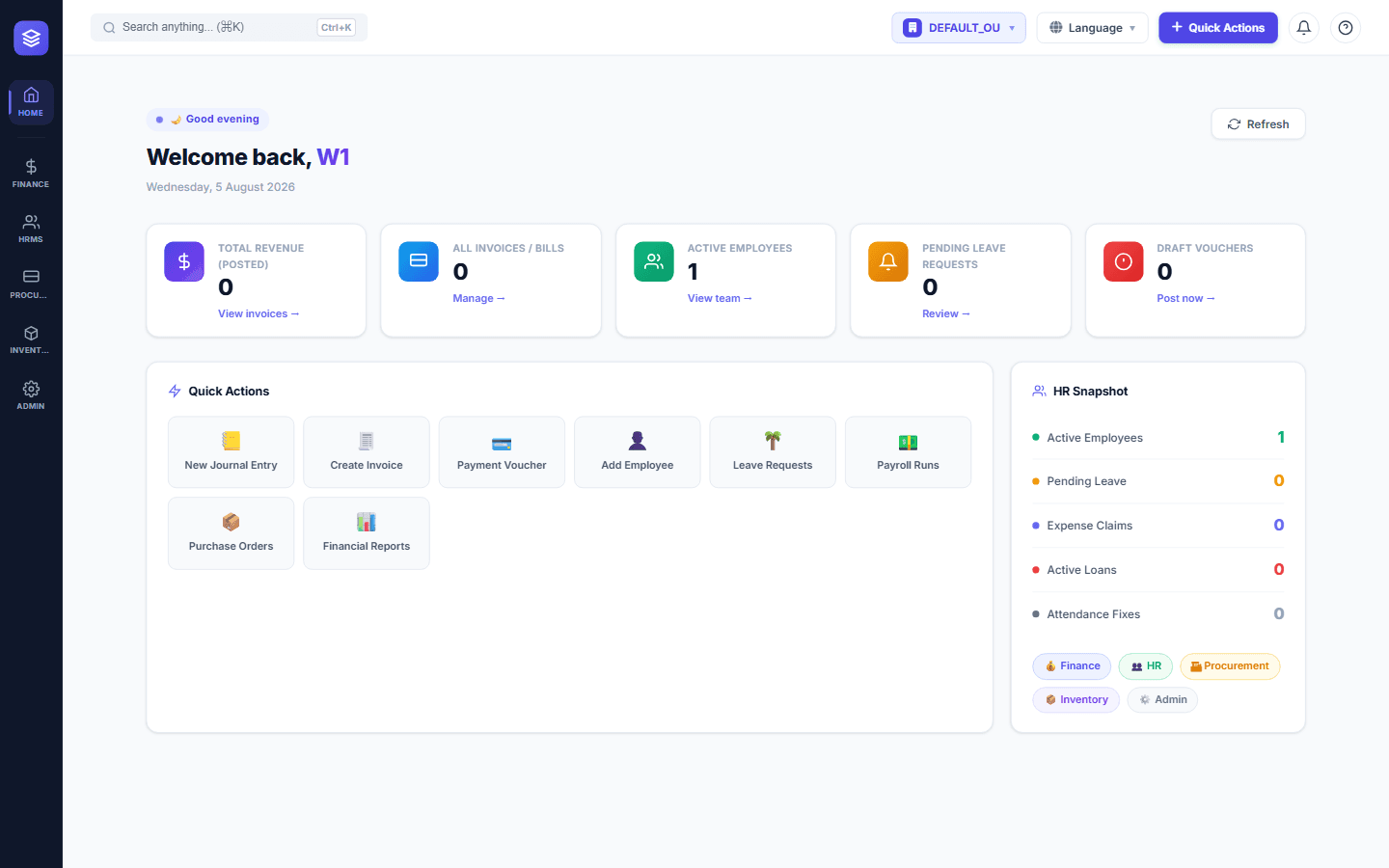
Implementation Is a Journey, Not an Event
A successful ERP implementation is about much more than software. It is about people, data, and process. This guide outlines the proven path to a smooth go-live with NileByte ERP.
Phase 1: Prepare (Weeks 1–2)
- Assign a champion — a finance lead who owns the project internally
- Map your processes — chart of accounts, approval flows, payroll structure, inventory locations
- Clean your data — customer and supplier lists, item catalogs, open balances
Phase 2: Configure (Weeks 3–4)
- Set up the company (tenant), fiscal year, and base currency
- Build the chart of accounts and enter opening balances
- Configure roles, permissions, and approval workflows
- Set up payroll components and policies
Phase 3: Data Migration (Week 4–5)
- Import customers, suppliers, and items
- Load open receivables and payables
- Enter opening stock and asset registers
- Reconcile every migrated balance against the old books
Phase 4: Train and Test (Week 5–6)
Train your team in the language they work in — Arabic and English — on real scenarios. Run a parallel month if possible: the same data in the old system and NileByte ERP, then compare.
Phase 5: Go Live (Week 6–8)
Cut over at a clean boundary — usually month-end. Close the period, verify the trial balance, and begin the first full month in the new system. Your NileByte team stays with you through the first close.
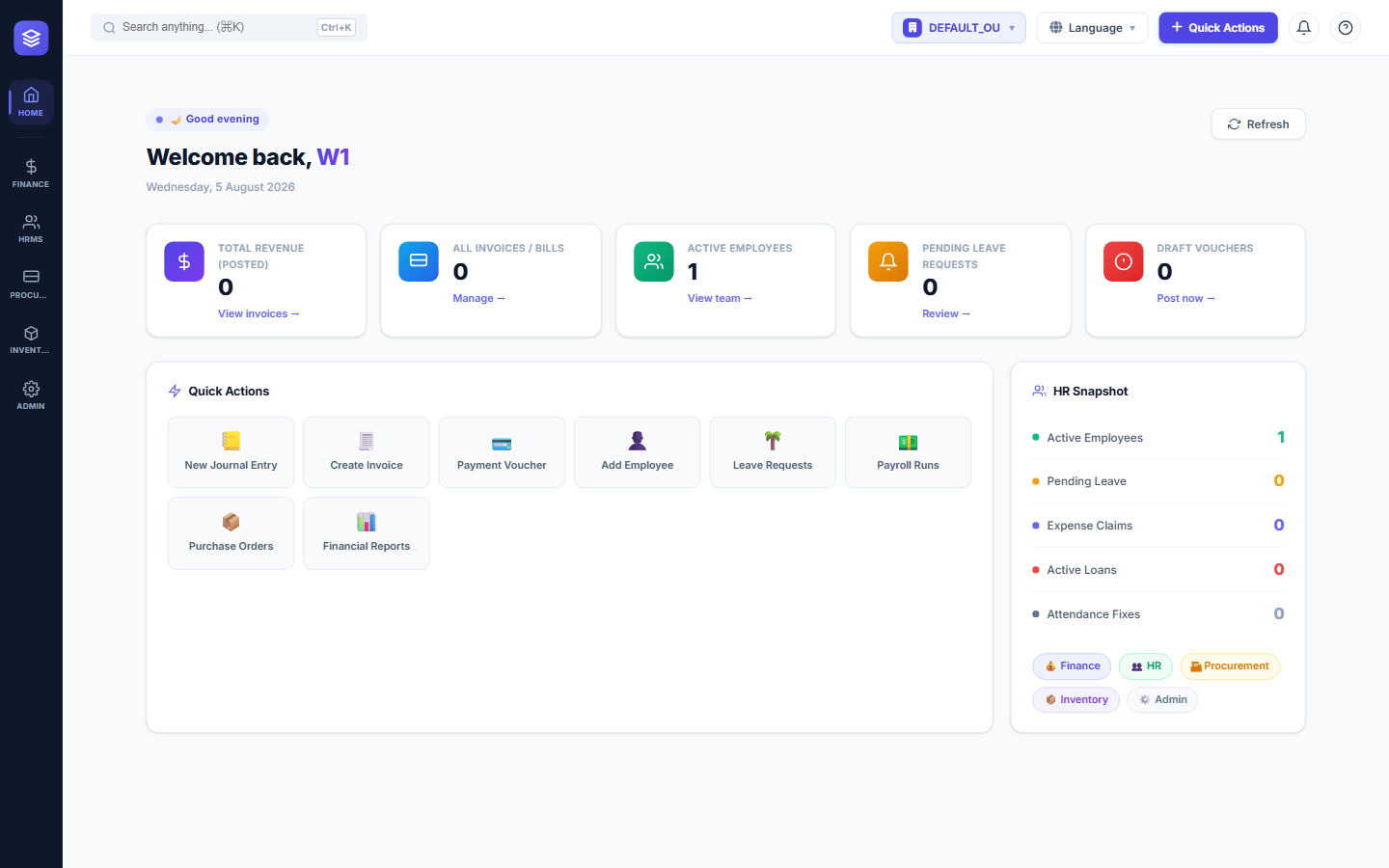
Proven in Practice
This is not theory — it is the process NileByte follows with every customer. The result: companies go live in weeks, not quarters, with clean books from day one.
Author at NileByte — sharing insights on software and digital transformation.
Related Articles
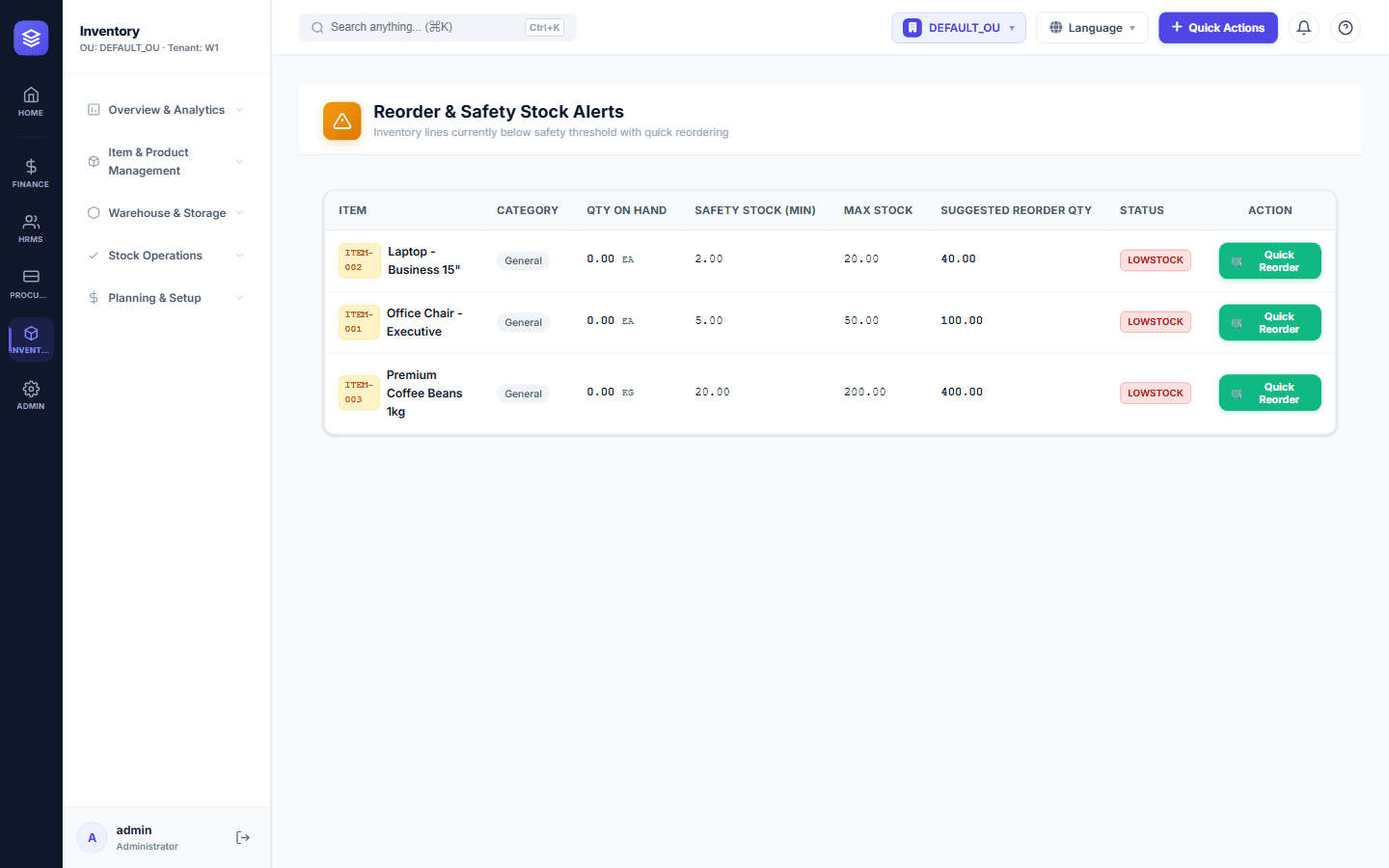
Inventory Control: Never Run Out of Stock Again
NileByte ERP's inventory module gives you complete control over stock — from receiving to issuance — with real-time balances and cost tracking.
Cloud-Ready and On-Premise: Deploy Your Way
Run NileByte ERP in the cloud, on your own servers, or hybrid — your data, your rules, your deployment.
Why Businesses Choose NileByte ERP
From family businesses to growing groups, here is why companies across Egypt and the region choose NileByte ERP.