Multi-Tenant Architecture: One Platform for Multiple Companies
The Challenge of Multi-Company Management
Business groups face unique challenges. Each company has its own books, staff, inventory, and financial data. Yet management needs a unified view of the entire organization. Traditional single-tenant systems require separate deployments for each company — a nightmare to maintain and consolidate.
NileByte ERP's Multi-Tenant Solution
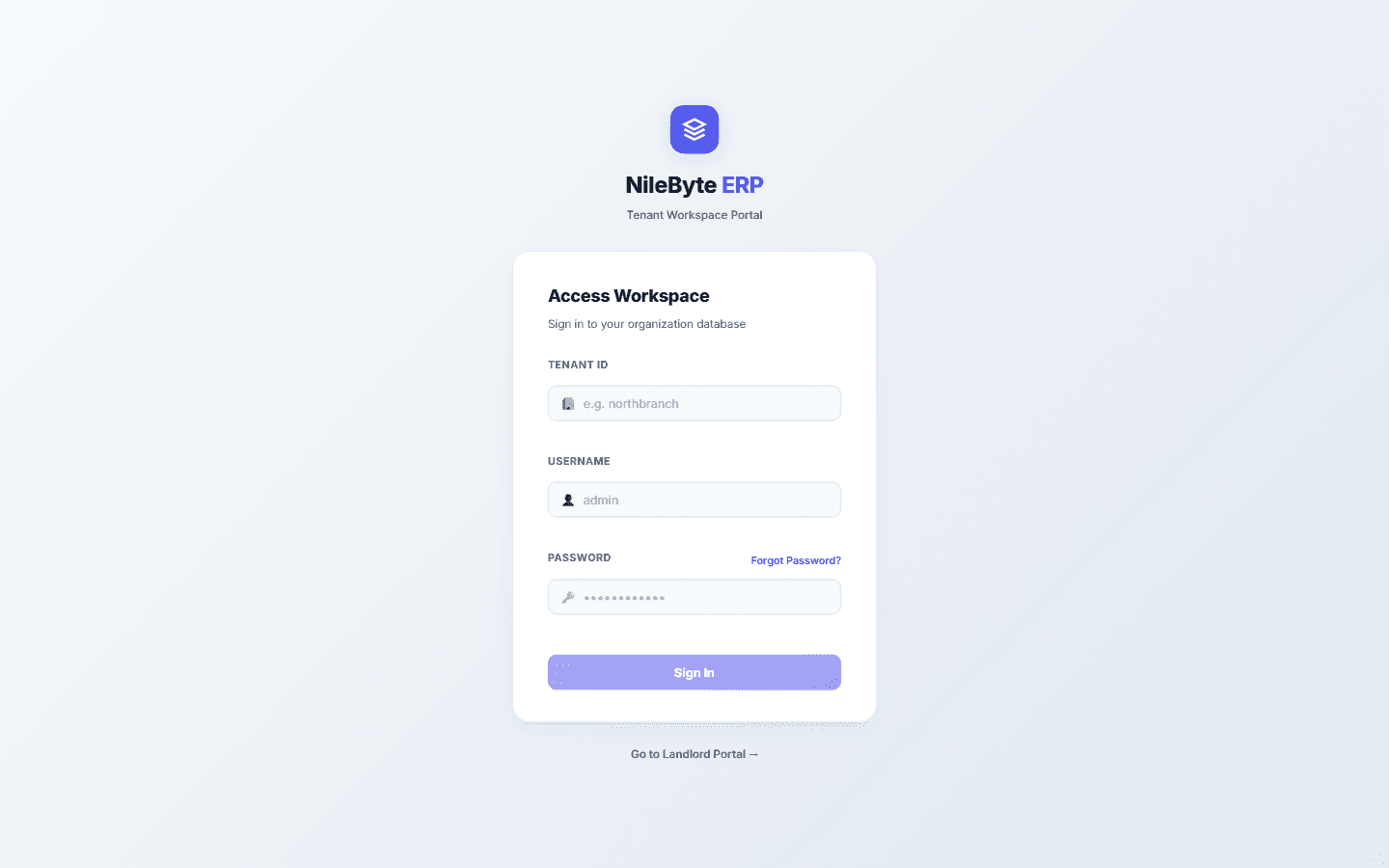
NileByte ERP uses a sophisticated Landlord/Tenant architecture:
- Landlord Database — Stores tenant records, platform admin accounts, and system-wide configuration
- Tenant Databases — Each company gets its own isolated database with all financial, HR, and operational data
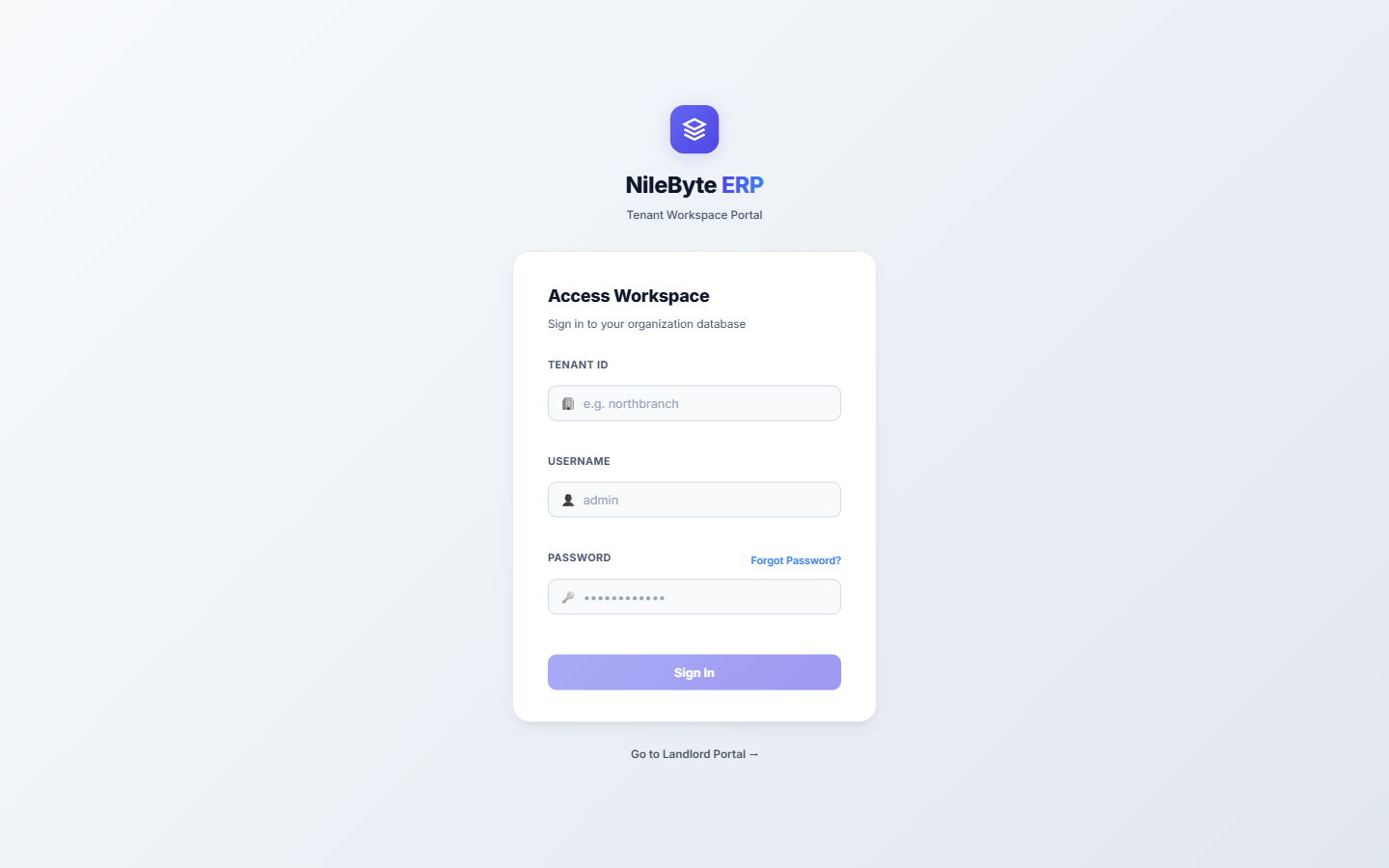
- Unified Login — Platform admins manage all tenants from one dashboard
- Tenant-Specific Login — Each company's staff logs into their own instance
Benefits of This Approach
Data Isolation — Financial data from one company is completely separate from another. This is critical for audit integrity and compliance.
Customization Per Company — Each tenant can have its own chart of accounts, fiscal year, tax configuration, payroll rules, and workflows — without affecting other tenants.
Centralized Management — Add new companies, monitor usage, and manage system-wide settings from a single landlord dashboard.
Scalability — Add new tenants without impacting existing ones. The platform can scale to dozens of companies.
Cost Efficiency — Shared infrastructure means lower total cost of ownership compared to separate deployments.
Perfect for:
- Holding companies with multiple subsidiaries
- Franchise networks
- Groups with inter-company transactions
- Companies planning to expand
Author at NileByte — sharing insights on software and digital transformation.
Related Articles
Inventory Control: Never Run Out of Stock Again
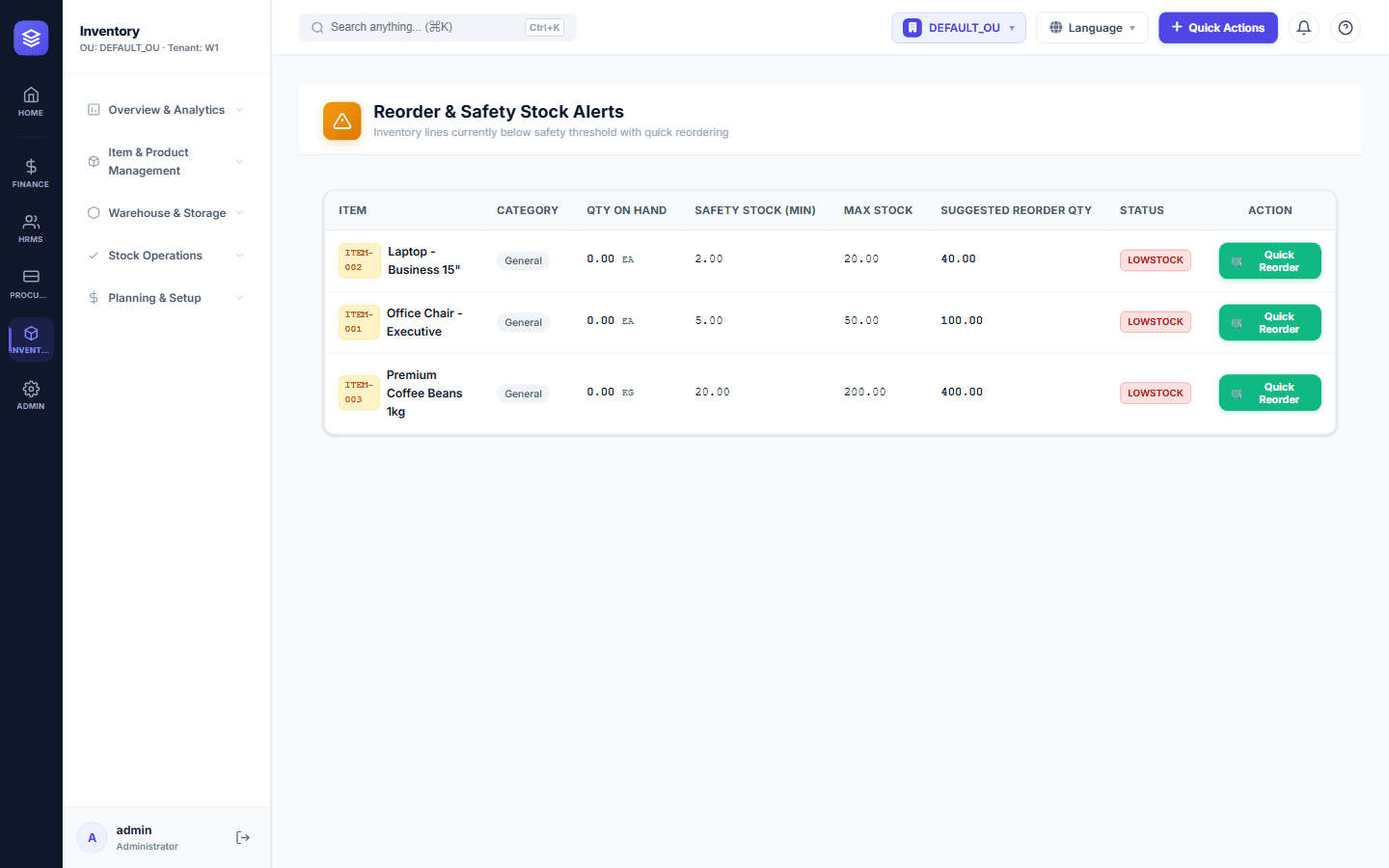
NileByte ERP's inventory module gives you complete control over stock — from receiving to issuance — with real-time balances and cost tracking.
Cloud-Ready and On-Premise: Deploy Your Way
Run NileByte ERP in the cloud, on your own servers, or hybrid — your data, your rules, your deployment.
Why Businesses Choose NileByte ERP
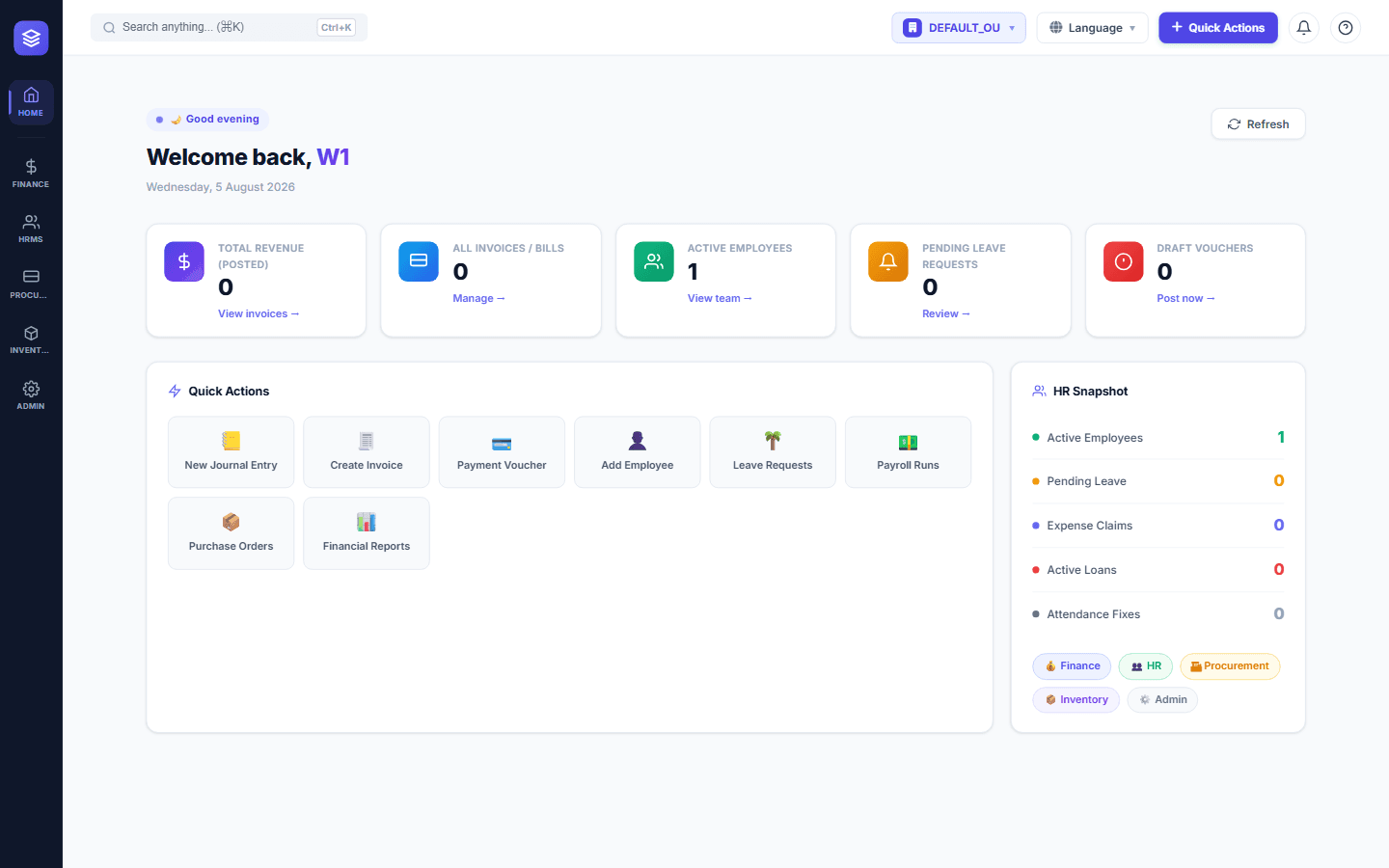
From family businesses to growing groups, here is why companies across Egypt and the region choose NileByte ERP.